A data platform is not a data lake, a warehouse or a visualization tool. Most disappointing platforms do not suffer from a poor tooling choice: they suffer from a team sized to build rather than to operate.
A platform has to be designed, operated, secured, documented and actually used by business teams. Skills therefore matter as much as technology choices, and the question changes depending on whether the platform serves one team or the whole organization.
What a data platform covers
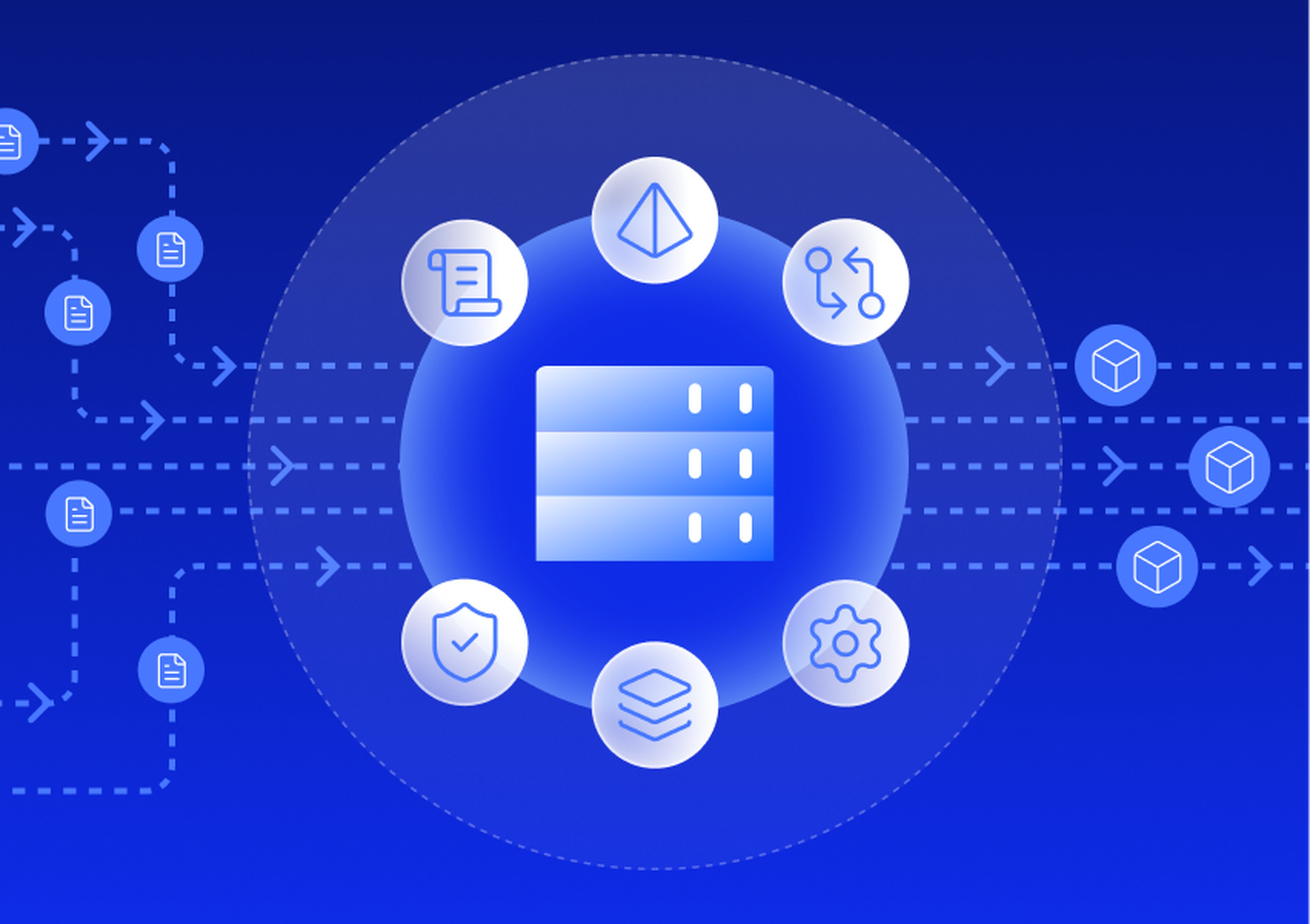
A data platform groups the services that collect, store, transform, govern and expose data. Its scope is wider than most roadmaps acknowledge at the start.
• Ingestion and orchestration: connectors, scheduling, dependency management, recovery
• Storage and modelling: formats, layers, history, data models
• Quality: checks, thresholds, alerts, remediation
• Catalogue and metadata: inventory, lineage, business definitions
• Access and security: permissions, encryption, isolation, traceability
• Monitoring and cost: pipeline observability, consumption tracking, FinOps trade-offs
• Support and adoption: documentation, user guidance, request handling
The last two are the most underestimated. A technically excellent platform whose catalogue nobody understands produces little value.
Why teams have to evolve
Cloud architectures and AI workloads raise the need for reliability, observability and cost control. The official documentation from AWS, Microsoft Azure and Google Cloud converges on one point: architecture is not enough, a platform also needs operating rules and governance.
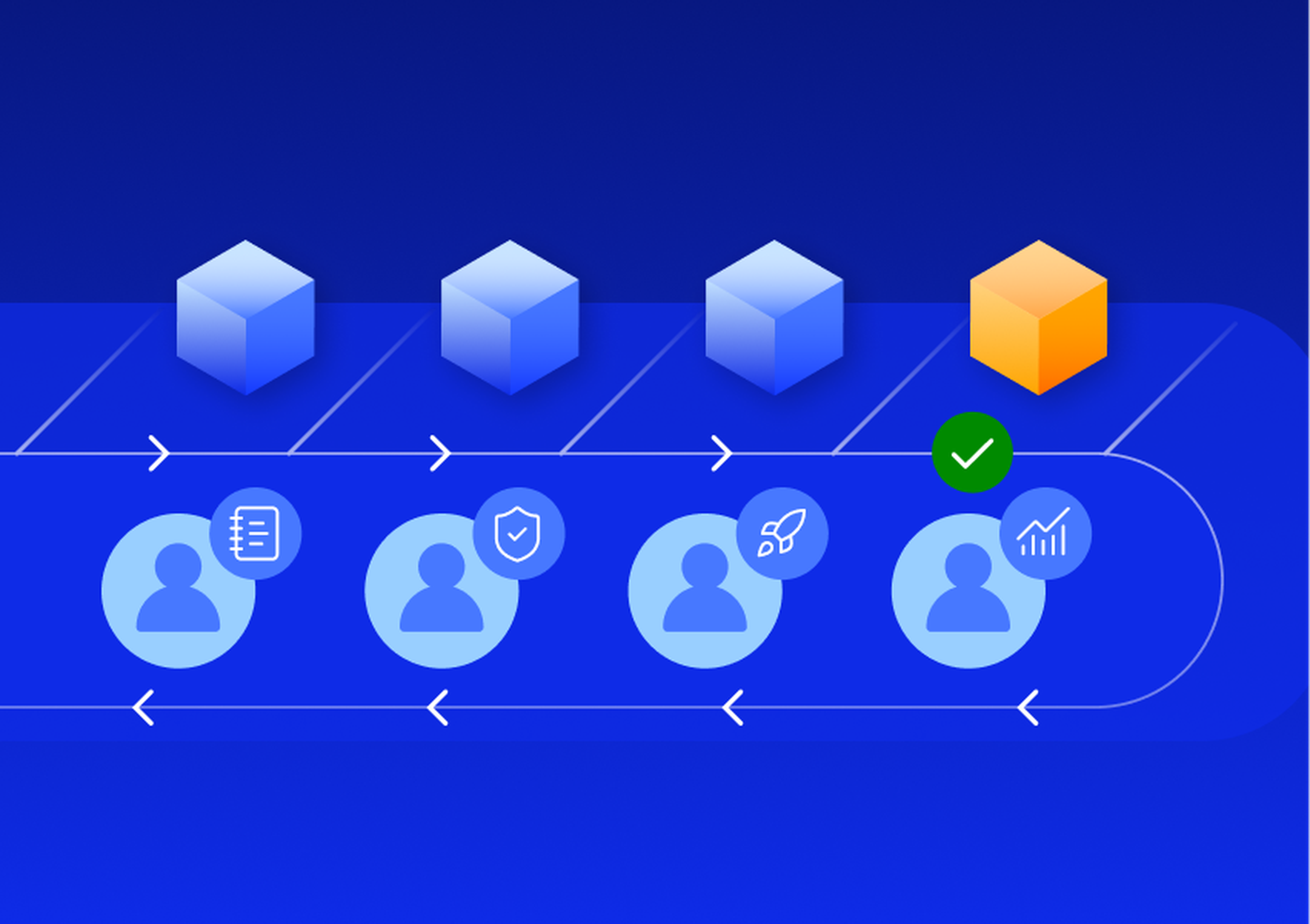
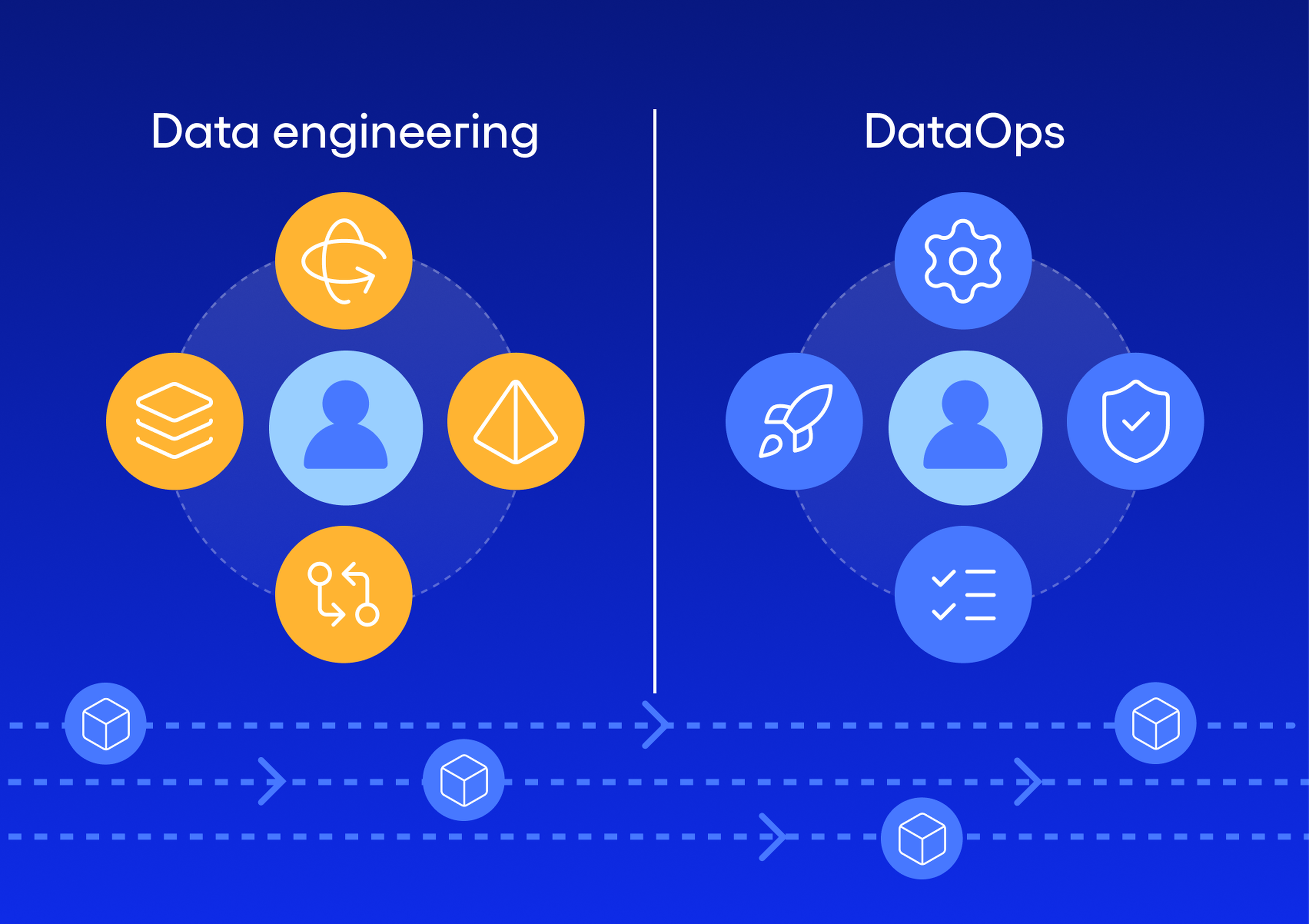
That shift changes the profile you should look for. The build phase rewards architecture and pipeline development. The operating phase rewards automation, testing, monitoring, incident handling and the relationship with users. A team hired only for the first phase struggles as soon as the platform goes live.
Key takeaways
-The real scope of a platform goes well beyond ingestion and storage.
-Building and operating require different skills, and the second phase lasts longer.
-Support and adoption are the services most often left out of sizing.
The essential roles
| Role | Main responsibility | When it becomes necessary |
|---|---|---|
Data architect | Architecture principles, structural choices, layer coherence | From design onward, then in periodic review |
Data engineer | Pipelines, transformations, data models, performance | From build, continuously afterwards |
Data platform engineer | Infrastructure, automation, environments, reliability | As soon as several teams use the platform |
DataOps profile | Tests, deployments, observability, incident handling | When the number of pipelines makes manual work untenable |
Data owner | Rules and trade-offs on a data domain | As soon as a domain serves several use cases |
Data steward | Day-to-day application of rules, quality, definitions | Alongside the data owner |
Product or platform manager | Prioritization, roadmap, support, adoption | Once requests exceed team capacity |
Security and FinOps expert | Access, isolation, encryption, cost control | Depending on data sensitivity and consumption volume |
How to size the team
Start by mapping the expected services and their criticality, service by service. Sizing follows that map, not a generic organizational template.
A small platform can combine responsibilities: an architect who codes, two engineers who also operate, a part-time governance lead. The risk is dependency on one or two people.
A cross-organization platform needs more separation between architecture, operations, security, quality and support. The risk inverts: a stack of roles with no end-to-end owner.
Three questions settle the sizing:
1. How many teams consume the platform, and with what level of autonomy?
2. What service interruption is acceptable on the most critical use cases?
3. Which data is subject to regulatory or contractual obligations?
External experts are particularly useful to launch an architecture, secure a migration or install operating practices. Attach a handover plan to every engagement, with documentation required at each milestone rather than at the end.
The most expensive sizing mistakes
Hiring for build and forgetting operations. The team delivers the platform, then gets absorbed by incidents with no capacity left to evolve it.
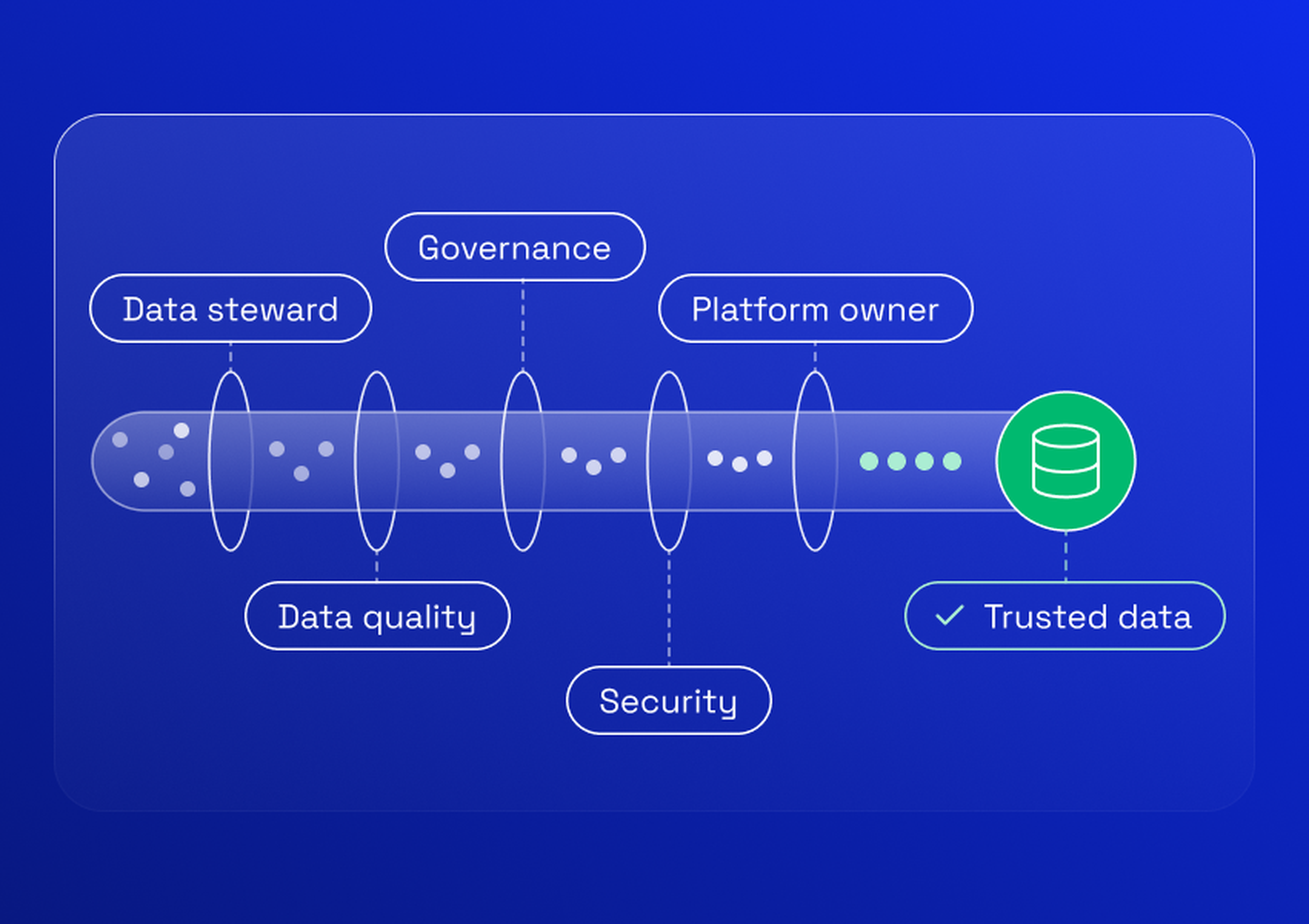
Leaving governance without an owner. Without a named data owner per domain, quality rules stay recommendations. See which roles to mobilize for data quality and governance.
Treating security as an added layer. Access rights, isolation and traceability are designed with the architecture. See the profiles needed to secure a cloud environment.
Ignoring cost until the first overrun. Consumption tracking and alerting are platform services, not a later project.
Key takeaways
-Sizing follows the service map and criticality, not a template.
-Three questions settle it: number of consumers, interruption tolerance, regulatory constraints.
-Every external engagement carries a handover plan with milestone deliverables.
Conclusion
A durable data platform rests on a combination of technical skills, governance and product accountability. The right model is not the one with the most tools, but the one the team can operate and evolve.
Map the services, assess criticality, name the owners, then add external expertise where the skill is missing and the handover is organized.